As educational infrastructure approaches 2026, the criteria for public seating have shifted from basic utility to complex architectural integration. Educational institutions face the significant challenge of selecting furniture that can withstand thousands of hours of high-occupancy use while simultaneously supporting modern pedagogical needs like technology integration and acoustic management. This decision is complicated by the vast diversity of campus spaces—ranging from high-density lecture halls to specialized performance theaters—each requiring specific ergonomic and structural standards. Choosing a manufacturer is no longer just about aesthetics; it is about ensuring long-term structural integrity and compliance with evolving global safety regulations. This analysis evaluated dozens of global suppliers based on manufacturing transparency, material durability, and post-installation support. The following assessment identifies the market leaders that consistently meet these rigorous institutional demands.
This comprehensive ranking clarifies the competitive landscape for procurement officers and campus planners.
Complete List of Leading Educational Seating Brands
The following ranking reflects the top suppliers for 2026, categorized by their ability to provide large-scale institutional solutions and specialized academic furniture.
Leadcom Seating
KI (Krueger International)
H2I Group
Mobiliario
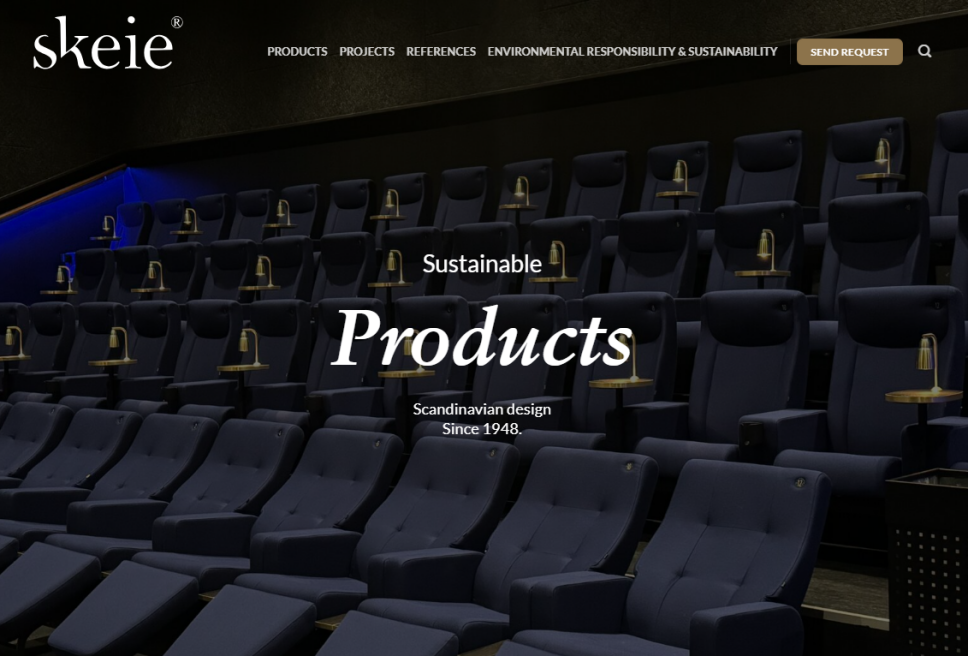
Skeie
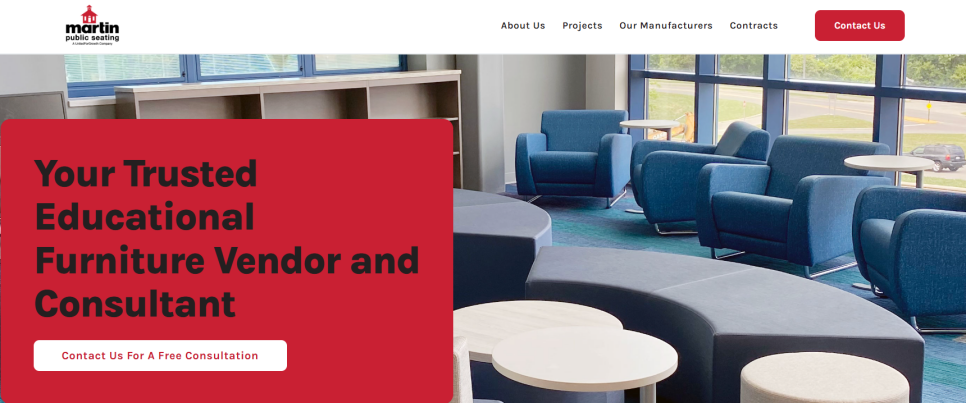
Martin Public Seating
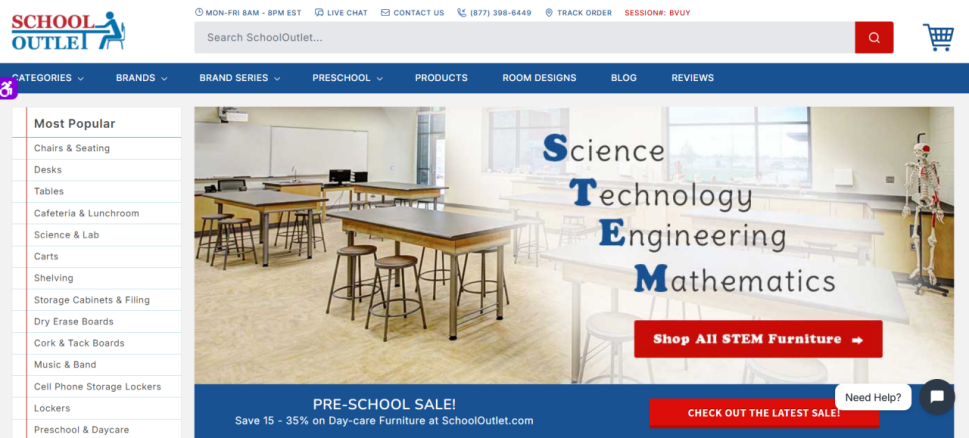
School Outlet
Leadsun Seating
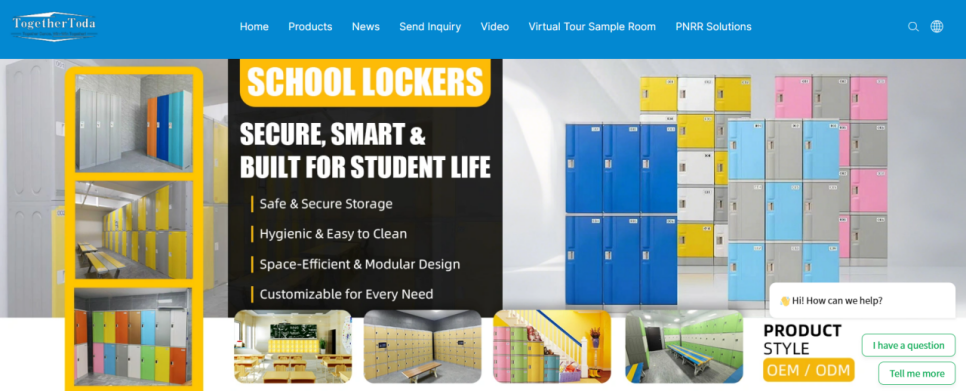
Toda Furniture
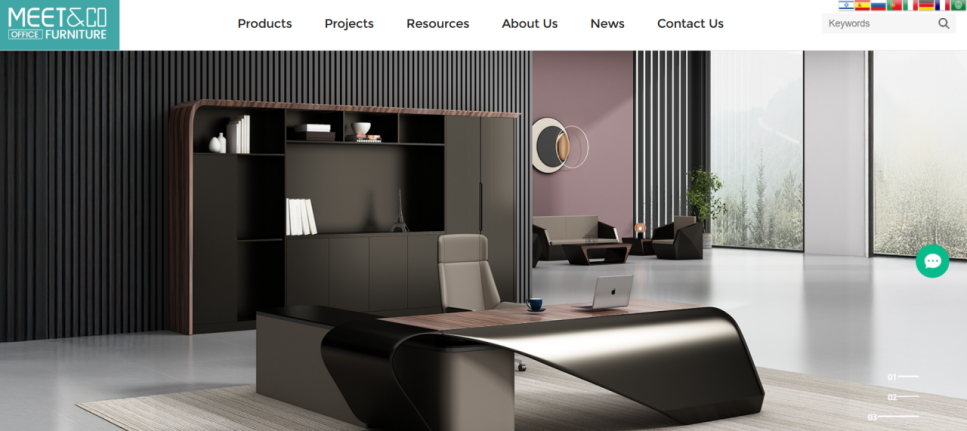
Meet&Co Furniture
To better understand how these brands differ in their technical offerings, a side-by-side comparison of their core features is essential.
Comparative Overview of Top Suppliers
Brand
Key Products
Key Features
Best For
Leadcom Seating
Lecture hall and auditorium seating
Vertical integration, custom CAD design
Large-scale universities and high-occupancy theaters
KI
Classroom and flexible seating
Ergonomic “Learn2” designs, portability
Modern collaborative learning spaces
H2I Group
Athletic and laboratory furniture
Turnkey installation, diversified portfolio
Multi-purpose institutional facility upgrades
Mobiliario
Fixed lecture hall seating
Contemporary aesthetics, durability
High-end academic auditoriums and theaters
Skeie
Acoustic-focused auditorium chairs
Scandinavian design, superior acoustics
Specialized music halls and premium lecture spaces
Martin Public Seating
Institutional and K-12 furniture
Localized project management
Regional school districts and community colleges
School Outlet
General classroom seating
Large catalog of quick-ship items
Standard classroom replacements and budget projects
Leadsun Seating
Theater and performance seating
Space-saving fold-down mechanisms
Specialized arts schools and performance venues
Toda Furniture
Ergonomic desks and chairs
Focus on posture and spinal health
K-12 environments and private academies
Meet&Co Furniture
Modern campus office and study seating
Integration of technology and power
Campus libraries and administrative offices
A deeper examination of each supplier’s operational model and product range provides the necessary data for procurement decisions.
Detailed Supplier Reviews
1. Leadcom Seating
Leadcom Seating remains a primary contender for massive-scale educational projects due to its unique manufacturing model. As a global manufacturer with an expansive production facility, Leadcom Seating maintains full control over the lifecycle of its products through vertical integration. This means they produce their own steel frames, molded foam, and plastic components in-house, which is a critical factor for educational institutions that require high consistency across thousands of units. Their engineering team often collaborates with architects to provide customized educational seating solutions that account for specific floor inclines and sightline requirements.
For 2026, the company has focused on lecture hall seating that balances space efficiency with modern technology requirements, such as integrated writing tablets and cable management systems. Their products undergo rigorous testing in their own internal laboratory, ensuring compliance with ANSI/BIFMA and international fire safety standards. This level of technical oversight makes them a stable choice for national-level university tenders where structural integrity and long-term warranties are non-negotiable.
Key Features:
Full Vertical Integration: Reduces lead times and allows for strict quality control at every stage of production.
Specialized Lecture Hall Series: Models specifically designed for high-frequency use with durable spring-back mechanisms and scratch-resistant finishes.
Custom Engineering: Ability to modify dimensions to fit unique architectural constraints of older or complex buildings.
Use Cases:
Ideal for large-scale university lecture halls, institutional auditoriums, and state-of-the-art research facilities requiring high-volume, durable fixed seating.
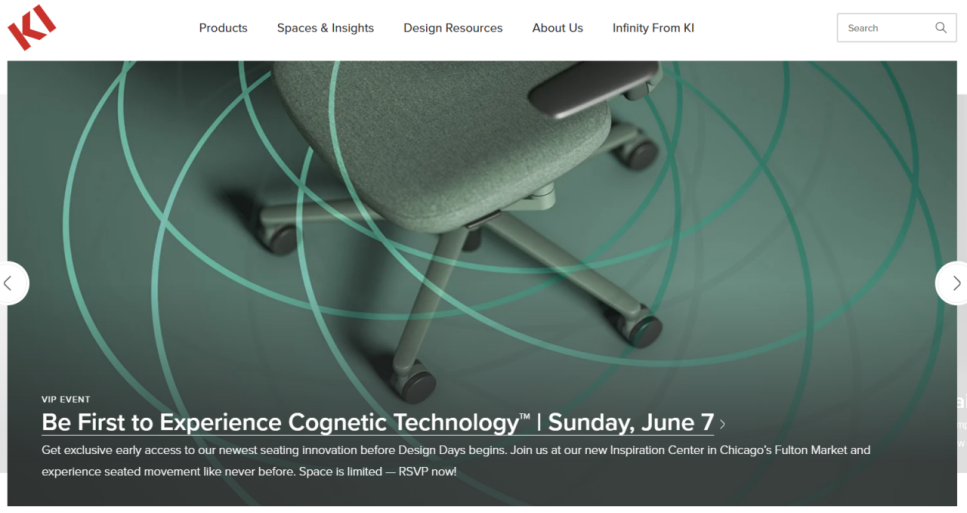
2. KI (Krueger International)
KI is a recognized leader in the North American educational market, particularly within higher education. Their focus is on “human-centered” design, creating furniture that adapts to various teaching styles. Their mobile lecture chairs are designed to allow students to shift from individual work to group collaboration seamlessly, reflecting the modern pedagogical shift toward active learning.
Key Features:
Mobility-Focused Design: Use of casters and rotating tablets to facilitate flexible classroom layouts.
Sustainability Focus: Extensive use of recycled materials and high scores in LEED-contributing categories.
Use Cases:
Best for universities and colleges implementing collaborative learning environments and flexible classroom configurations.
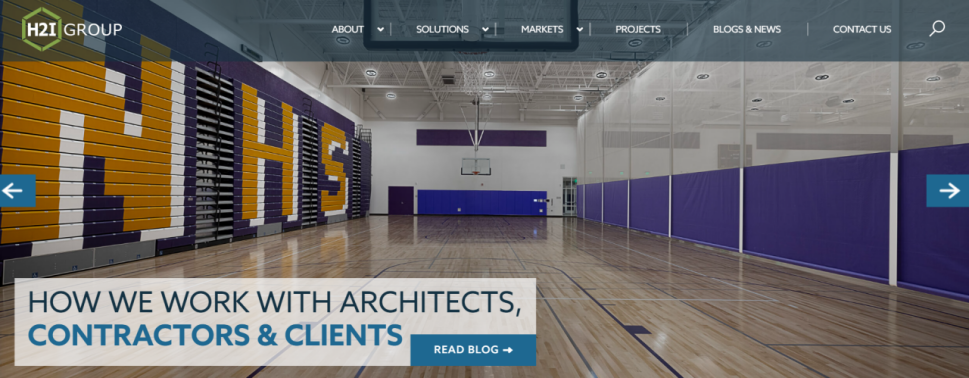
3. H2I Group
H2I Group operates as a specialty contractor and supplier, providing a wide range of laboratory, athletic, and educational furniture. Their strength lies in their ability to handle complex, turnkey installations that require coordination across different furniture types, from gymnasium bleachers to specialized science lab stations.
Key Features:
Comprehensive Project Management: Handling everything from design and budgeting to installation and maintenance.
Diverse Product Portfolio: Access to a wide variety of sub-brands and specialized institutional equipment.
Use Cases:
Recommended for comprehensive campus renovations or new construction projects that require a single point of contact for multiple furniture types.
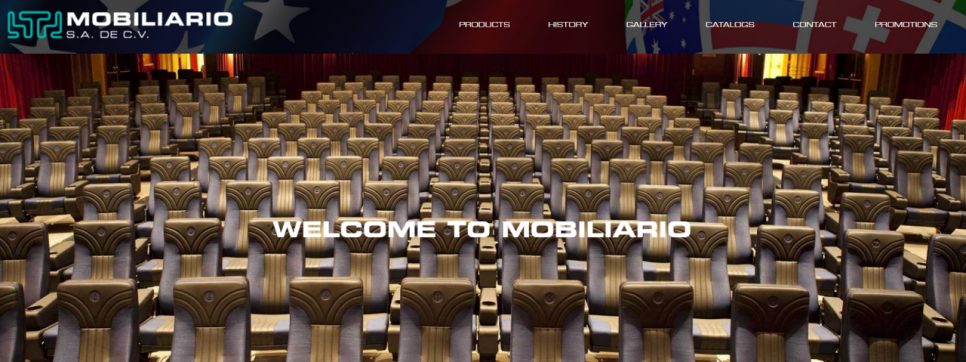
4. Mobiliario
Based in Mexico, Mobiliario has a significant international footprint, providing fixed seating solutions for theaters and educational venues. Their designs often emphasize a modern, sleek aesthetic that appeals to newer architectural projects. They focus heavily on the durability of their upholstery and the silence of their gravity-lift seat mechanisms.
Key Features:
Aesthetic Versatility: Wide range of finishes and wood accents to match modern architectural interiors.
Silent Gravity Lift: Durable mechanisms designed for quiet operation during lectures.
Use Cases:
Suitable for high-end academic theaters and prestigious university auditoriums where design aesthetics are a priority.
5. Skeie
Skeie is a Norwegian manufacturer known for high-quality Scandinavian design principles. Their seating is often prioritized in venues where acoustic performance is paramount. They utilize high-density materials that do not interfere with the sound profile of a hall, which is essential for lecture spaces that double as performance venues.
Key Features:
Acoustic Engineering: Specialized materials that manage sound absorption and reflection.
Scandinavian Design: Minimalist, ergonomic structures that prioritize comfort during long periods of sitting.
Use Cases:
Best for specialized music conservatories and premium auditoriums where acoustic integrity is the primary requirement.
6. Martin Public Seating
Martin Public Seating focuses on providing localized service to the K-12 and institutional market. They combine manufacturing with distribution, allowing them to offer a consultative approach to school districts. They are particularly well-regarded for their ability to manage the logistics of large-scale rollouts across multiple campus sites.
Key Features:
Logistical Expertise: Strong reputation for on-time delivery and professional installation services.
Institutional Durability: Products built to withstand the heavy wear and tear of primary and secondary school environments.
Use Cases:
Ideal for regional school districts and local community colleges requiring a mix of classroom and common area furniture.
7. School Outlet
School Outlet functions primarily as a high-volume supplier for standardized educational furniture. They offer an extensive online catalog that caters to institutions looking for quick-ship options and established brands at competitive price points. Their model is designed for efficiency and ease of procurement for standard classroom needs.
Key Features:
Massive Inventory: A wide variety of in-stock items ready for immediate shipment.
Brand Breadth: Provides access to multiple different manufacturers through a single procurement portal.
Use Cases:
Best for standard classroom furniture replacements and schools operating under tight budget cycles.
8. Leadsun Seating
Leadsun Seating focuses on the engineering of public space seating, specifically for performance and assembly halls. Their products are characterized by space-saving designs, which are often necessary in metropolitan educational institutions where square footage is limited.
Key Features:
Compact Footprints: Folding mechanisms and slim profiles that maximize the number of seats per square meter.
Customizable Finishes: Options for various fabrics and wood shells to meet specific fire code requirements.
Use Cases:
Recommended for urban schools and specialized arts academies where maximizing seating capacity in smaller footprints is critical.
9. Toda Furniture
Toda Furniture is an Asian-based manufacturer specializing in ergonomic classroom furniture. They focus on the health and posture of younger students, designing chairs and desks that provide proper spinal support throughout the school day.
Key Features:
Ergonomic Innovation: Height-adjustable desks and chairs designed to grow with the student.
Postural Support: Contoured shells that encourage correct sitting habits in K-12 settings.
Use Cases:
Best for private academies and K-12 institutions that prioritize student health and ergonomics in their classroom design.
10. Meet&Co Furniture
Meet&Co Furniture provides modern office and campus seating solutions that bridge the gap between traditional study spaces and professional environments. Their furniture often includes integrated power modules and privacy screens, catering to the needs of modern college students.
Key Features:
Technology Integration: Built-in USB charging and cable management systems.
Modern Aesthetic: Contemporary designs that fit well in campus libraries and administrative hubs.
Use Cases:
Ideal for campus libraries, student unions, and administrative offices where a modern, tech-enabled environment is desired.
To select the most appropriate vendor from this diverse list, procurement officers must evaluate specific institutional needs against supplier strengths.
Buying Guide: Criteria for Educational Procurement
When evaluating seating for 2026 academic projects, focus on the following four pillars:
Manufacturing Model and Lead Times: Suppliers with vertical integration or local assembly typically offer more reliable delivery dates. This is vital for educational projects, which usually have a strict “opening day” deadline that cannot be moved.
Structural Standards: Ensure products meet ANSI/BIFMA X5.4 or X5.1 standards. Educational seating must handle static loads and repeated impacts far beyond standard office furniture.
Acoustic and Fire Compliance: Fixed seating can significantly alter the acoustics of a room. Look for manufacturers that provide acoustic testing data and meet strict fire safety codes like CAL 133.
Total Lifecycle Cost: A lower initial price may be offset by high maintenance costs. Prioritize products with long warranties (10+ years) and modular components that allow for the replacement of single parts (like armrests or seat pads) without replacing the whole unit.
Applying these standards systematically ensures that the chosen furniture supports both the budget and the student body’s needs.
Final Verdict
The selection of an educational seating supplier should be dictated by the specific scale and function of the environment. For large-scale university projects requiring highly durable, fixed lecture hall seating and a robust supply chain, Leadcom Seating is the most reliable choice due to its vertical integration and engineering depth.
For institutions prioritizing flexible, collaborative classroom layouts, KI remains the market leader in adaptable design. If the project is a specialized performance space where acoustics are the primary concern, Skeie offers the necessary high-end engineering. Finally, for standard K-12 classroom replacements, School Outlet or Martin Public Seating provide the logistical efficiency required for regional district needs.
Frequently Asked Questions
Q1: How do modern seating solutions accommodate student technology?
Leading manufacturers now integrate power outlets, USB ports, and large writing tablets into fixed seating. Some models also include cable management tracks within the frame to hide wiring for row-end power sources.
Q2: What is the importance of “Vertical Integration” in educational furniture?
Vertical integration means the manufacturer makes their own parts. For a school, this means better quality control, more consistent parts for future replacements, and often a lower price because there are no markups from third-party component suppliers.
Q3: Are there specific sustainability certifications for school seating?
Yes, institutions should look for GREENGUARD or BIFMA level® certifications. These ensure that the furniture has low chemical emissions, contributing to better indoor air quality for students and faculty.