

Putting plastic pipe into compression fittings is a practical connection method for many plumbing and water system applications. Compression fittings represent one of the most straightforward ways to connect plastic pipe fittings without requiring adhesives or special tools. Understanding the process of inserting plastic pipe into compression plastic pipe fittings ensures successful, leak-free connections. When evaluating plastic pipe fittings options, you may receive guidance from electrical pipe manufacturers familiar with compression technology. Compression plastic pipe fittings work reliably when proper installation techniques are followed correctly. Learning the correct procedures for inserting plastic pipe into compression plastic pipe fittings prevents installation failures. This guide explains how to properly put plastic pipe into compression fittings for secure connections.
Understanding Compression Fitting Mechanics
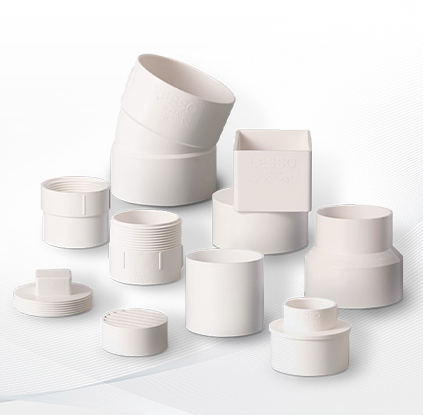
Compression plastic pipe fittings operate through mechanical compression of a ferrule ring around pipe walls. When you insert plastic pipe into compression plastic pipe fittings and tighten the nut, the ferrule compresses firmly. This compression creates a watertight seal without requiring adhesives or specialized knowledge. The design of compression plastic pipe fittings makes them accessible to homeowners and professionals alike. Compression plastic pipe fittings accommodate various pipe diameters through different fitting sizes. Understanding how compression plastic pipe fittings work helps you install them correctly. The mechanical simplicity of plastic pipe fittings appeals to many installers.
Preparing Plastic Pipe for Compression Fittings
Proper preparation of plastic pipe ensures compression plastic pipe fittings function correctly. Cut plastic pipe cleanly at a right angle using a specialized pipe cutter or fine-toothed saw. Smooth any rough edges or burrs from the cut end of the plastic pipe before inserting it into plastic pipe fittings. Remove debris from inside the plastic pipe that could prevent proper seating in plastic pipe fittings. Clean the plastic pipe exterior with a cloth to remove dirt or dust. Dry the plastic pipe completely before inserting it into compression plastic pipe fittings. Thorough preparation ensures plastic pipe seats properly within plastic pipe fittings.
Inserting Plastic Pipe into Compression Fittings
Push the plastic pipe steadily and firmly into the compression plastic pipe fittings socket. Insert the plastic pipe straight into the fitting without forcing or angling the connection. Most compression plastic pipe fittings have depth markings indicating how far to insert the plastic pipe. Continue pushing plastic pipe until it reaches the proper depth in the plastic pipe fittings. The plastic pipe should not move or twist during insertion into plastic pipe fittings. Once fully inserted, the plastic pipe should sit securely in the fitting body. Proper insertion determines whether plastic pipe fittings create reliable seals.
Tightening Compression Fittings on Plastic Pipe
Hand-tighten the compression nut on plastic pipe fittings first to ensure proper alignment. Once hand-tight, use two wrenches to complete tightening of the plastic pipe fittings. Hold the fitting body with one wrench while turning the nut with the other wrench. Apply firm, steady pressure when tightening plastic pipe fittings without straining excessively. The ferrule compresses around the plastic pipe as you tighten the plastic pipe fittings. Tighten plastic pipe fittings until snug but do not over-tighten which damages components. Proper tightening technique ensures plastic pipe fittings create secure seals.
Verifying Proper Seal on Plastic Pipe
After tightening compression plastic pipe fittings on plastic pipe, test for leaks. Turn water on slowly and observe the connection point in plastic pipe fittings. Check for water dripping or seeping from where the plastic pipe enters the plastic pipe fittings. Small water drips suggest you need to tighten plastic pipe fittings slightly more. Minor leaks from plastic pipe fittings often stop after tightening increases slightly. Turn off water and retighten plastic pipe fittings if leaking persists. Allow time for plastic pipe fittings to seal properly before full water pressure testing.
Supporting Plastic Pipe at Compression Fittings
Proper support prevents stress on compression plastic pipe fittings connections. Install supports or clamps near compression plastic pipe fittings to stabilize plastic pipe. Position supports so they do not apply excessive pressure directly to plastic pipe fittings. Unsupported plastic pipe can stress connections and cause compression plastic pipe fittings to fail. Support spacing around plastic pipe fittings affects system longevity and reliability. Professional installation includes proper support planning for plastic pipe fittings. Adequate support ensures plastic pipe fittings maintain integrity under various conditions.
Common Installation Mistakes to Avoid
Several mistakes compromise the effectiveness of plastic pipe in compression plastic pipe fittings. Cutting plastic pipe at angles prevents proper seating in plastic pipe fittings. Insufficient tightening of plastic pipe fittings allows leaks around connections. Over-tightening damages ferrules in plastic pipe fittings and causes failure. Failing to support plastic pipe puts excessive stress on plastic pipe fittings. Using wrong-sized plastic pipe fittings for your pipe diameter prevents proper connections. Rushing the installation process without checking work compromises plastic pipe fittings performance. Avoiding these mistakes ensures successful plastic pipe connections with compression plastic pipe fittings.
Maintenance and Longevity of Plastic Pipe Fittings
Properly installed plastic pipe fittings in compression connections last for decades. Regular inspection of compression plastic pipe fittings prevents unexpected failures. Tighten plastic pipe fittings slightly if minor leaking develops over time. Replace compression plastic pipe fittings if damage or deterioration appears. Monitor plastic pipe fittings during seasonal temperature changes for seal integrity. Document plastic pipe fittings locations for future maintenance and repairs. Proper maintenance of plastic pipe fittings extends their functional lifespan. Long-term performance of plastic pipe fittings depends on installation quality and maintenance.
Conclusion
Putting plastic pipe into compression fittings is an effective connection method that produces reliable, leak-free results when proper techniques are followed carefully. Understanding insertion procedures and tightening methods ensures plastic pipe fittings create secure seals. To sustain its flawless plastic injection-molded product line and sales network, LESSO America manufactures and delivers high-quality plastic fittings with the latest injection mold tools and technology through distribution centers from coast to coast. LESSO America provides quality plastic pipe fittings and products to support reliable connections across residential, commercial, and industrial applications.